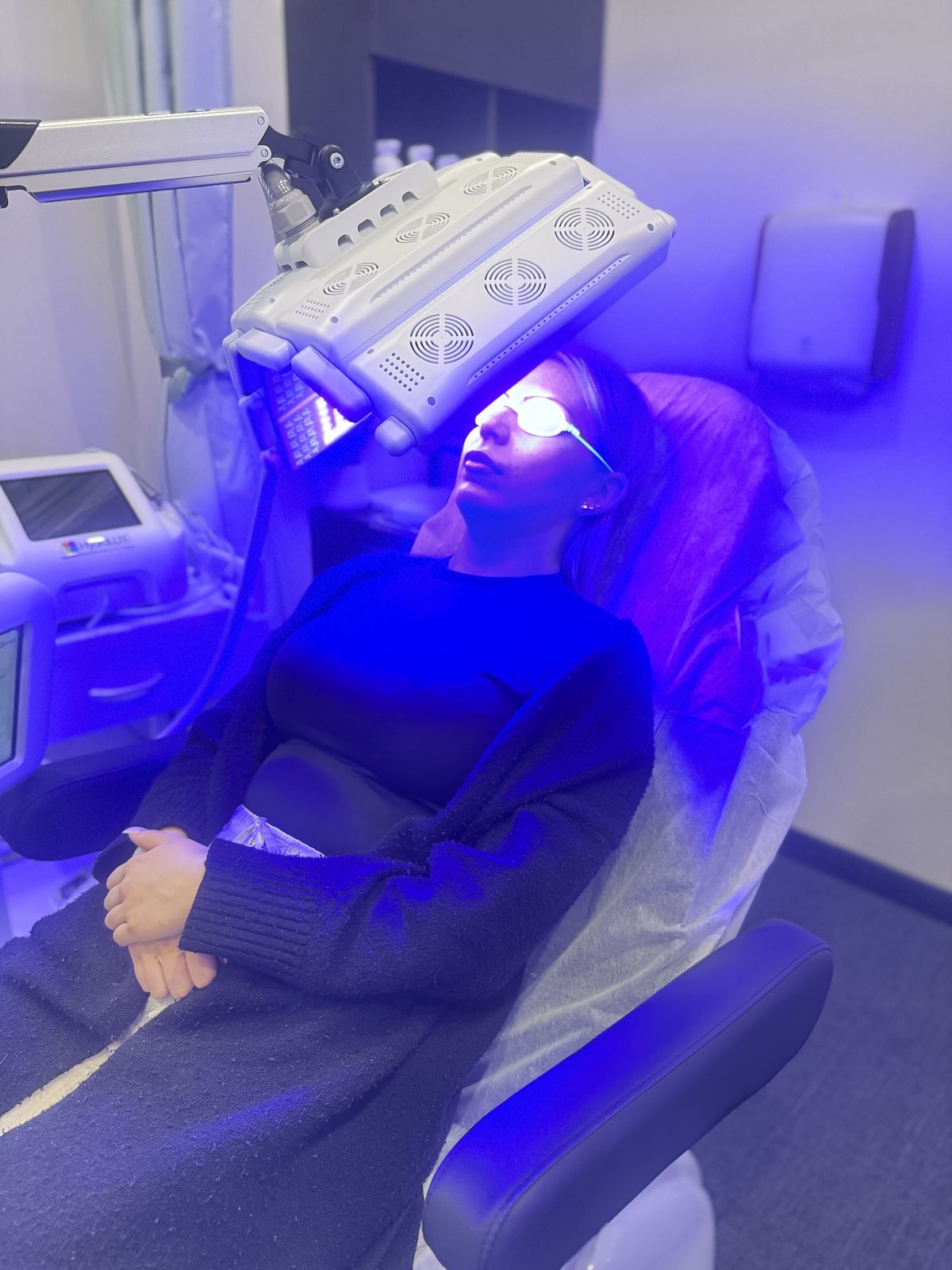
Results vary between patients. What LED light therapy can be expected to do for your skin is discussed with you at your consultation, and is not promised here.
The treatment
LED light therapy uses a panel of light-emitting diodes to deliver light at set wavelengths to the skin. Nothing breaks the skin, and at The Skin Wellness Hub it is most often planned alongside other treatments rather than instead of them.
Whether it is appropriate for you, and where it fits in your plan, is decided at an individual assessment rather than online.
Your care team
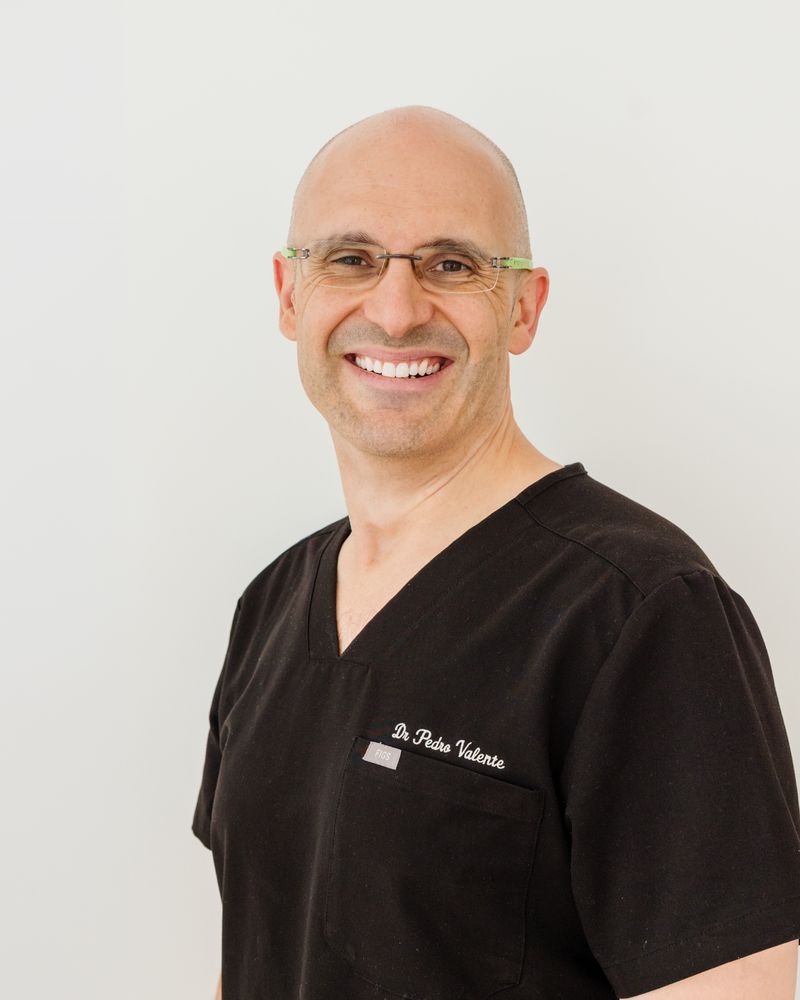
Dr Pedro Valente
Registered medical practitioner, MED0001201428Specialist general practitioner (FRACGP), with substantial experience in non-surgical cosmetic proceduresThe Skin Wellness Hub, Gledswood Hills NSW
Dr Pedro Valente founded The Skin Wellness Hub to bring medical oversight to skin health and aesthetic care. He graduated in medicine (MBBS) from the University of Tasmania, has been a registered medical practitioner since 2007, and holds specialist registration in general practice as a Fellow of the Royal Australian College of General Practitioners (FRACGP).
Being doctor-led means every treatment plan here starts with a medical history: your health, your medications, and anything that changes which treatments are appropriate for you. That is the difference between a clinic run by a doctor and one that only has a doctor’s name on the door.
This page was reviewed by Dr Valente in September 2026
You will be looked after by Dr Valente and the dermal and medical team from your first visit. LED light therapy is carried out by our dermal therapists, working together under Dr Valente’s clinical direction, and a doctor reviews your medical history as part of your assessment before any treatment is booked. Your plan and notes are shared across the team, so whoever you see knows your skin and your history, and you can book your treatments directly with the dermal team.
Where it comes up
These are the situations in which LED light therapy is most often discussed at an assessment. Raising a concern here does not mean this treatment is the answer to it. Which option suits you, if any, is decided after your skin has been assessed.
The mechanism
LED light therapy is a form of low-level light therapy. Light at particular wavelengths is absorbed by cells in the skin, where it interacts with normal cell processes. It does not heat or cut the skin in the way a laser treatment does, and it does not use ultraviolet light.
Different wavelengths reach to different depths. The clinic’s device delivers blue light at 415nm, green light at 520nm, yellow light at 590nm, red light at 633nm and near-infrared light at 830nm, each used where it is part of your plan. Which wavelengths you have, and for how long, is set by your therapist from your assessment.
The clinic uses the MediLUX LED system. It is included on the Australian Register of Therapeutic Goods, and the clinic’s entry for it is ARTG 317123. The purpose it is registered for is the limit of what this page will tell you it does.
It is not offered here as a treatment for any medical condition. Where it has a place, it is as one part of a plan that has been worked out from an assessment of your skin.
It is carried out by our dermal therapists under Dr Valente’s clinical direction.
Step by step
01
Your skin is assessed, your medical history and current medications are taken, including anything that makes your skin more sensitive to light, and whether this treatment is appropriate for you is decided. If it is not, you are told so.
02
Your skin is cleansed and you are given eye protection to wear throughout. The LED panel is positioned close to the treatment area and you lie still while it runs. Most people feel a gentle warmth and nothing else.
03
Allow around 20 to 30 minutes in the clinic, and longer if it follows another treatment in the same visit.
04
Some people have mild warmth or flushing that settles soon afterwards. There are no marks or broken skin, and most people go back to their usual activities straight afterwards.
05
Any change is gradual rather than immediate and is looked for across a course of sessions rather than after one. It varies between patients and some people notice little or none.
06
It is usually given as a series of sessions, sometimes close together, with the number and spacing decided at your assessment rather than set in advance.
Important information
Outcomes vary between patients
This treatment does not produce the same result in every person, and it does not produce a result in every person. No particular outcome is promised. What is realistic for your skin is discussed with you at your consultation, based on your own assessment.
LED light therapy does not break the skin, but it is still a treatment and it carries risks. The following are discussed with you in full before you consent.
Common, and expected:
Less common, and requiring attention:
This list is written for this treatment specifically and is not a complete account of everything that can happen. Contact the clinic if anything concerns you after treatment.
There is no downtime, and you can generally return to your normal activities straight away. Any warmth or flushing usually settles soon afterwards. Some people settle sooner and some take longer, and people whose skin is more reactive may notice it for longer.
There are no dressings and no marks, and you can generally return to work and everyday activities straight afterwards. If LED follows another treatment in the same visit, the recovery for that treatment is the one to plan around.
If you have an event coming up, tell the team at your consultation so treatment can be timed around it.
Any change is gradual and is assessed over a course of sessions rather than after one. How long any change lasts varies between patients and depends on your skin, your health, sun exposure and how your skin is cared for afterwards. Both are discussed with you at your assessment, in relation to your own skin, rather than stated as a general figure here.
Nobody is treated on a first visit without assessment. Suitability is determined at an individual consultation, with your medical history reviewed by a doctor, and any treatment plan follows that assessment.
Dr Pedro ValenteRegistered medical practitioner, MED0001201428Specialist general practitioner (FRACGP), with substantial experience in non-surgical cosmetic proceduresThe Skin Wellness Hub, Gledswood Hills NSW
Suitability
This is not a complete list. Bring your full medical history and every medication and supplement you take to your consultation, including anything you buy without a prescription.
Afterwards
You are given written aftercare instructions before you leave. After LED on its own they are short: keep the skin clean and moisturised, avoid heat and strong sun for the rest of the day, and wear sunscreen. If LED followed another treatment, that treatment’s aftercare applies in full.
Follow the instructions you are given at the clinic in preference to anything you read here or anywhere else.
Questions
Cost is discussed with you at your assessment, once it is clear what you would actually be having and over how many sessions. We do not publish prices, because a figure quoted before anyone has looked at your skin is not a real figure.
Most people feel only gentle warmth. The light is bright, which is why you wear eye protection throughout. If you feel any discomfort during the session, say so and the treatment can be stopped or adjusted.
No. Home devices vary widely in the light they deliver. In the clinic the device, the wavelengths and the treatment time are chosen for your skin after an assessment, and the treatment is planned alongside anything else you are having.
Red light is one of the wavelengths an LED treatment can use. The clinic’s treatment can combine red and near-infrared light, and blue light where that is part of your plan, so “red light therapy” describes only part of it.
It is usually given as a series, and the number and spacing are decided at your assessment. If it is part of a plan with other treatments, it is timed around them.
Often, and that is how it is most commonly used here, sometimes in the same visit as a facial or after microneedling. Whether and when depends on the other treatment, so bring a list of anything you have had done recently to your consultation.
Yes. It is included on the Australian Register of Therapeutic Goods, and the clinic’s entry for it is ARTG 317123. Its ARTG details are also stated on the consent material you are given at the clinic.
One of our dermal therapists carries out the treatment, working under the clinical direction of Dr Pedro Valente, registered medical practitioner MED0001201428. Your medical history is reviewed with a doctor as part of your assessment, before treatment is booked.
Also at the clinic
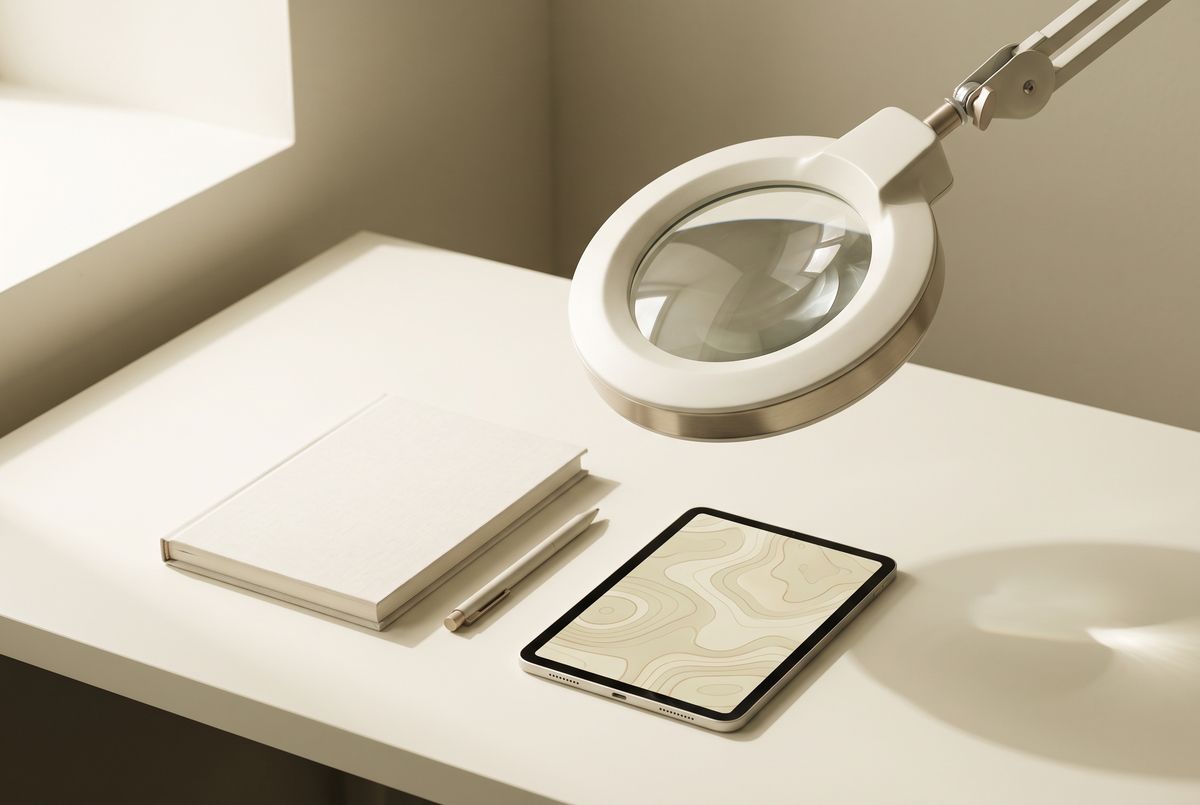
Where a treatment plan starts. Your skin is photographed and measured, and Dr Valente goes through what he is looking at with you.
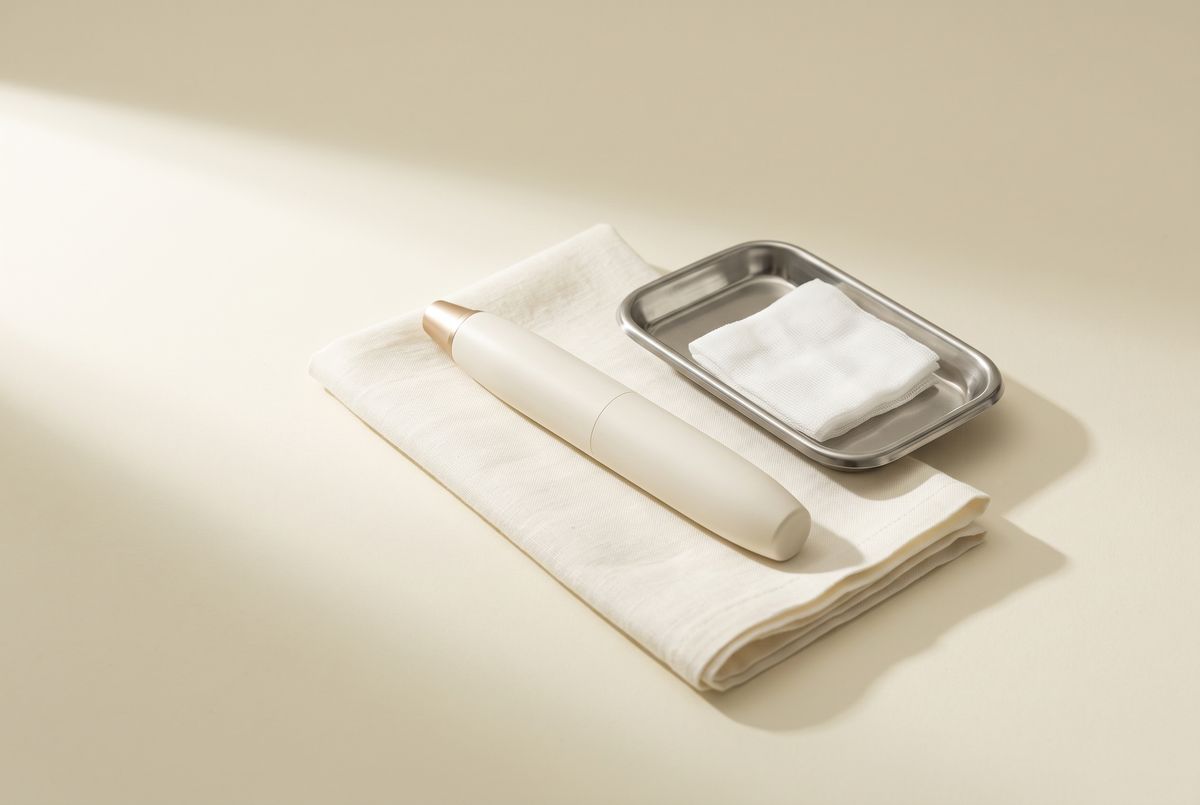
A treatment that LED is sometimes planned alongside, discussed for concerns about skin texture.
A hydrodermabrasion facial that works on the surface of the skin, sometimes planned in the same visit as LED.
Next step
Every treatment plan here starts with the advanced skin assessment, a 45-minute consultation in which your skin is photographed and measured and your medical history is taken. Whether LED light therapy is right for you is answered there, properly.
Sign up to get exclusive updates and a launch offer tailored to your skin health journey.